Specialist searches with detection dogs

We find what others miss

Dogs and handlers who search for drugs, explosives, weapons and pyrotechnics for businesses, public authorities and event organisers.

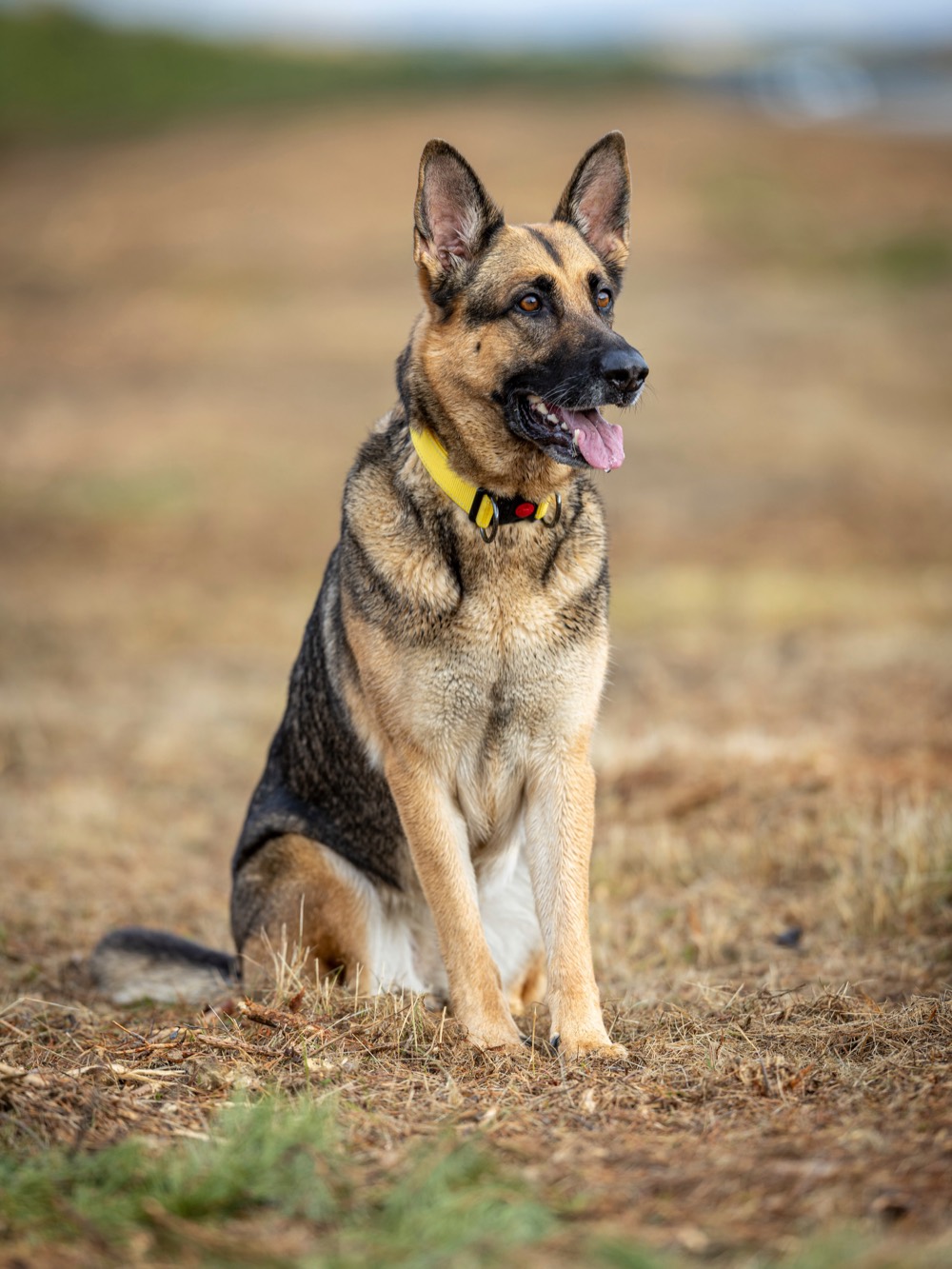
Harley, a German Shepherd, sitting in a dry meadow with a yellow collar, looking to the side
Based in Gothenburg
Searches anywhere in Sweden

Our detection dog services

We search buildings, vehicles, outdoor areas and arenas.
Once or regularly, and after every search you get a report.

  • Drug detection and workplace safety

    We search for drugs at the workplace, in premises and in vehicles. Discreetly, and before the problems grow.

    Read more: what drugs in the workplace can mean

    What drugs in the workplace can mean

    It often starts small. A colleague who seems absent, a lorry that stays parked a little too long, a storeroom where nobody is quite sure who has a key.

    Drugs in a workplace are more than a staff problem. Someone who is under the influence drives a forklift, handles machinery and makes decisions that other people's safety depends on. The risk of accidents goes up, both for the user and for the people working next to them.

    It rarely stops at personal use. Where there are buyers, dealing, debts and pressure often follow. Employees can be drawn into crime or threatened, and premises, vehicles and deliveries can start being used to hide or move drugs.

    As an employer you are responsible for the work environment, and prevention pays off. Clear rules on alcohol and drugs, managers who know what to look for and regular checks make it harder for drugs to take hold. A recurring search shows that you take the issue seriously, long before anything has happened.

    We help you find out what the situation really is. Discreetly, without singling anyone out in advance, and with a report you can work from.

  • Explosives detection

    The dogs are trained on the scent of explosives. We search where security requirements are high: in ports, at logistics companies and before events.

    Read more: safety for staff and visitors

    Safety for staff and visitors

    A threat, a suspicious object or an uneasy world affects how people feel, even when nothing has happened. Staff feel unsure, and visitors wonder whether it is safe to come.

    A preventive search with a dog is a concrete way to show that you take security seriously. The premises are checked before the doors open, and people notice. Visible checks also make it less tempting to try to plant something there.

    If you receive a threat, always call the police first. A dog search can then give you something to go on when every hour counts, and help you judge whether your operations can carry on.

    After every search you get a report of which areas were checked and when. You can show it to management, staff and partners, and it turns safety into more than a promise.

  • DOL search

    We search for undetonated explosives left after blasting (misfired charges) on construction sites and in blasted rock.

    Read more: why misfired charges are a risk

    Why misfired charges are a risk

    When rock is blasted, a charge sometimes fails to detonate. It stays behind as a misfire: in the rock, in the blasted stone or in the spoil that is taken on to the crusher or the next building site.

    A misfired charge is rarely visible. It can go off when someone digs, drills or crushes, with people and machines close by. It can also end up in the wrong hands if nobody knows it is there.

    That is why the person responsible for blasting must check that nothing undetonated is left after every blast. At the slightest suspicion, work stops until a qualified blasting supervisor has dealt with it.

    This is where the dog makes a difference. It searches the blast area, the blasted stone and the spoil, and indicates where it picks up the scent of explosives. We cordon off the spot and tell your person responsible for blasting. The explosive itself is always handled by qualified staff.

    It works best as part of your preventive health and safety work: regular searches during blasting work, and a report after each one.

  • Firearms and weapons search

    We search for weapons in premises, vehicles and open areas, for example before the public is let in.

An empty carpeted corridor in an office building
  • Pyrotechnics search

    We search stands, stages and public areas before the public is let in, so that pyrotechnics hidden in advance are found in time.

    Read more: pyrotechnics at arenas and who is responsible

    Pyrotechnics at arenas and who is responsible

    Pyrotechnics are sometimes brought into an arena days or hours before an event. They are hidden under seats, in storerooms or in the structure of the stand, so by the time the crowd is searched at the entrance, they are already inside.

    A flare burns very hot and gives off thick smoke. It can injure spectators and staff, set off fire alarms and stop a match. Sanctions and questions about security often follow.

    Under the Swedish Civil Protection Act, both the owner of a venue and whoever uses it must prevent fires. The arena owner is usually responsible for the building's fire safety, while the organiser is responsible for order and safety during the event, which includes stopping unauthorised pyrotechnics. How the responsibility is split should be set out in the contract between arena and organiser.

    A dog that searches the stands and other spaces before the doors open lowers the risk that something is hidden there. We plan the search around the arena and the event, and you get a report showing what has been checked.

    The arena owner can also book the search. You then hand the organiser a searched arena, with the report showing which areas were checked and when. It is clear where responsibility passes over, and the organiser takes over a venue that has already been checked.

  • Missing person search

    We search for missing people in forest, open country and built-up areas, using dogs and drones with thermal cameras. We always work in consultation with the police, who lead the search.

    Read more: when someone goes missing

    When someone goes missing

    Call 112 first. The police lead the search when a person is missing, and they decide how it is organised.

    After that, time matters most. Someone who is lost, confused or hurt needs to be found quickly, and the sooner a dog is out, the fresher the scent. That applies not least to older people with dementia, children and people in crisis.

    A dog finds people where eyes are not enough: in dense forest, in scrub, in ditches and in buildings. It covers large areas quickly by picking up human scent in the air, and it can follow a track from where the person was last seen.

    We also have drones with thermal cameras. From the air, body heat shows up in open country, along shorelines and on clear-felled land, even in the dark. The camera cannot see through dense forest or roofs, and that is where the dog takes over. Together they cover more ground than either does alone.

    We add dog teams and drones to the search, working with the police and the volunteers already on site. Afterwards we report which areas have been searched, so nothing is searched twice or forgotten.
  • Pest control and wildlife management

    We carry out pest control and wildlife management with dogs.

Empty rows of seats in a stand

A specialist search in four steps

You book a single search or recurring searches. After every search you get a report.

1

You tell us what needs searching

Email us the place, the time and what the search is for.

2

We plan the search with you

We go through the site and decide how the dog and handler will work.

3

Dog and handler search

The dog and handler search everything we have agreed on.

4

You get a report

It says what we searched and how we went about it.

One-off, scheduled or subscription

You choose how often we come, and the arrangement can be changed when your needs change.

One-off search

When you need a search on a single occasion.

Before an event, after an incident, when you move into new premises or when you already suspect something. We plan the search with you, carry it out and hand over a report.

  • Planning before the search
  • Search with a dog and handler
  • Report after the search
Ask about a one-off search

Scheduled searches

When the need comes back and the dates can be planned.

Together we decide how many searches and when, for example before every match in a season or with each blasting job. You know when we are coming, and we get to know your premises.

  • Searches on agreed dates
  • The same set-up every time
  • Report after every search
Ask about scheduled searches

Subscription

When you want to prevent problems over time.

You decide how many searches you want over a period, and we come at times that are not fixed in advance. Nobody can work out when the next check will be, and that is exactly what makes it preventive.

  • The number of searches you choose
  • Unannounced visits on different days and at different times
  • Report after every search
Ask about a subscription

Our detection dogs train every week

We reward what the dog gets right. Every session is logged in our own training app, so we can see how the dogs develop over time.

  • HarleyGerman Shepherd
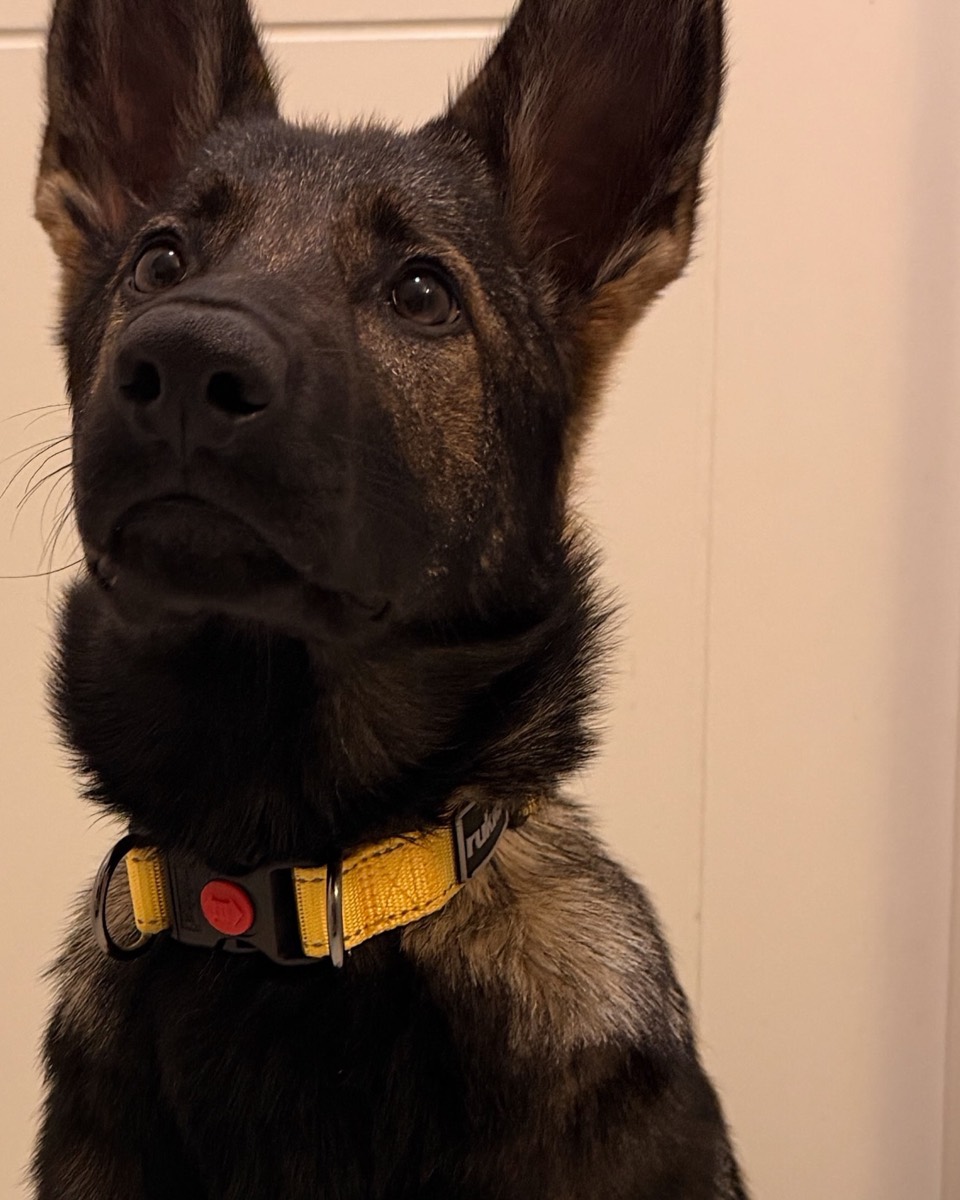
  • HarrietYoung German Shepherd
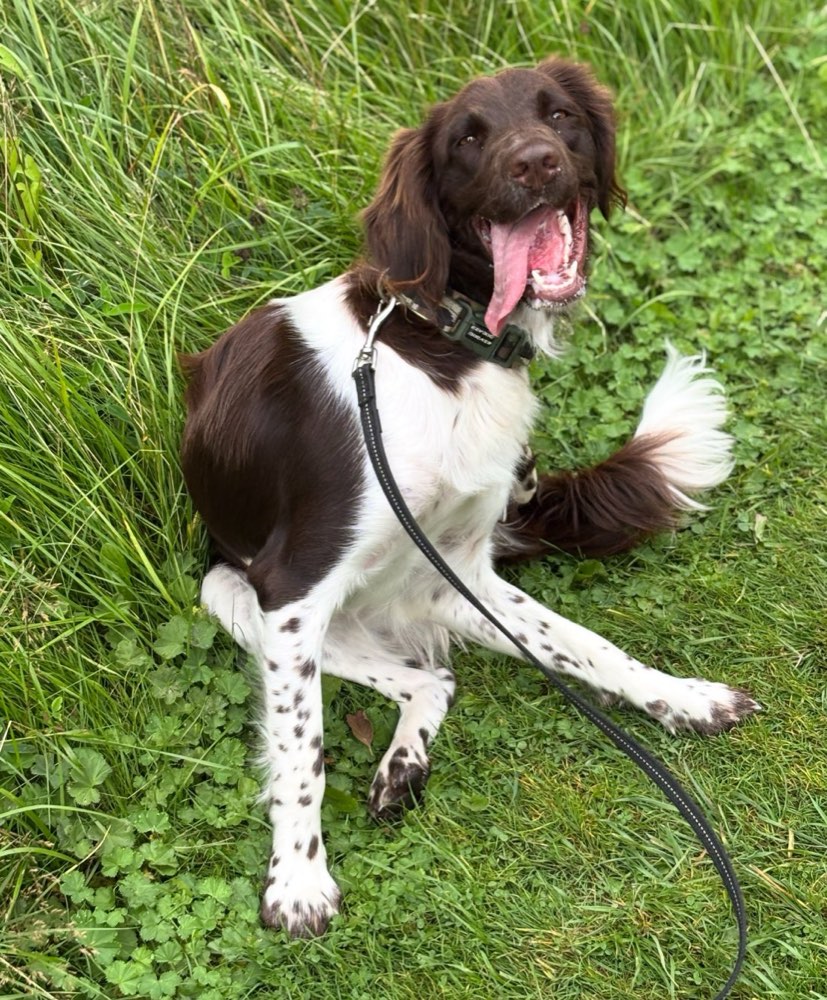
  • HaraKleiner Münsterländer
Hara, a Kleiner Münsterländer, sitting in tall grass on a lead and looking happily up at the camera

Questions about specialist searches

Who can book a specialist search?

Businesses, public authorities, ports, logistics firms, event organisers, security organisations and private individuals.

Where do you search?

We are based in Gothenburg but work anywhere in Sweden.

Can we book regular searches?

Yes. You can book several searches on agreed dates, or a subscription where we come unannounced. More under One-off, scheduled or subscription.

Do you search during events?

Yes. We search both before and during the event, in stands, on stages and in public areas.

How do we book a search?

Email kontakt@specialsokgruppen.se and tell us what needs searching, where and when.

Harriet, a young German Shepherd, sitting indoors with a yellow collar and looking up